A hub of learning in the heart of West Cork
A guide for parents on key health messages for primary-aged children
All children may feel anxious from time to time. Anxiety can be triggered by a number of factors and there are many ways that parents can help their children cope when faced with situations that may cause them to be anxious. Check out this useful resource from the National Educational Psychological Service (NEPS) for parents of children who may suffer from anxiety.
The internet has become a vital source of information in our lives. It can have many educational advantages for children but much care is needed around what children access online and ‘netiquette’ – how to behave and interact appropriately while online. It is important that parents get involved with what children are doing online. This means not just talking to our children about what they do online but also listening. It is important that we talk openly and regularly about our concerns and agree boundaries around internet use in our homes.
Please visit Webwise Parents hub to find more supports including video interviews with experts, talking points on topics that are difficult to discuss with your child, explainer guides for new apps and technologies, and lots more.
Parents have a huge influence in supporting children to make positive health choices. It can often be difficult to know which health messages are correct, and which sources of health information are reliable and trustworthy. The leaflet below provides you with the most up-to-date Irish health guidelines for children, issued by both the HSE Department of Health.
Supporting and helping your child to be physically active is one of the most important steps that you can take to maintain and improve their health, whatever their age or ability.
Being physically active is a core component of good health and wellbeing. Physical activity is essential for physical, psychological, emotional, and social health, and should be seen as part of everyone’s daily lifestyle, whether young or old. By supporting and encouraging children and young people to take part in physical activity we can help them to develop good habits, which will prove invaluable throughout their lives.
The National Guidelines on Physical Activity for Ireland recommend that children and young people should be active at a moderate (heart is beating faster than normal, breathing is harder than normal) to vigorous (heart is beating much faster than normal and breathing much harder than normal) intensity for at least 60 minutes a day every day. This should include muscle-strengthening, flexibility and bone-strengthening exercises three times a week (Department of Health, 2009). 60 minutes a day can be accumulated by doing a number of shorter sessions during the day.
Healthy eating is about getting the correct amount of nutrients – protein, fat, carbohydrates, vitamins and minerals that you need to maintain both good health and a healthy weight. In order to help with our food choices, the food pyramid guide is used. Foods that contain the same type of nutrients are grouped together on each of the shelves of the food pyramid. Following the food pyramid will guide you towards the right balance of nutritious foods within your calorie range.
While the food pyramid can be used as a guide for children over 5 years, it is important that children eat according to their growth and appetite.
Sexual wellbeing is defined as a good balance of emotional physical and social wellness in relation to sexual health and is linked to your overall general health. Children experience many physical and emotional changes during puberty.
Children will receive Relationships and Sexuality Education (RSE) throughout their
whole school life. At primary level, RSE aims to help children learn about their own development and about their friendships and relationships with others. This work will be based on developing a good self-image, promoting respect for themselves and others, and providing them with appropriate information. The role of parents and carers is to be open to discussion of your child’s questions at home.
By talking, age-appropriately, about these issues from an early age, you will be reinforcing what your child is discussing at school, watching on TV, talking about with their friends or reading about in books and magazines. You will also be preparing them for secondary school.
Talking with children about relationships and sexual wellbeing can help children to:
The Keep Well Campaign is aimed at showing people of all ages how we can mind our own physical and mental health and wellbeing by adding healthy and helpful habits to our daily and weekly routines.
The campaign is focussed on five main themes:
The emotional wellbeing of children is just as important as their physical health. Good mental health allows children and young people to develop the resilience to cope with whatever life throws at them and grow into well-rounded, healthy adults.
It is amazing and rewarding to watch your children grow, and to learn to be independent, but parenting isn’t always easy, particularly if you think your child is unhappy or if you are worried about their behaviour. Minding your own mental health and adopting good self-care is something that we should all prioritise. A new video-based mental wellbeing programme called Minding Your Wellbeing is now freely accessible
As we raise our children and juggle everything else in our busy lifestyles, we can forget to mind ourselves and “self care” can become lower down the priority list. Self-care allows us to check in with how we’re feeling and look after ourselves. It should not been seen as a luxury but rather an essential part of our lives.

Language is a fundamental part of our everyday lives and forms a core essential element in the primary school curriculum. Language permeates all aspects of school life, from the school yard to the classroom. It is central not only in the teaching of English and Irish, but in all subjects of the curriculum. The Irish and English curricula have three strands. These are oral language, reading and writing. The foundations for language development are laid first and foremost in the home. Exposure to rich and varied language in oral form or the written word at home will have far reaching benefits to the child’s progress in school. There are many ways you can support your child’s language development at home. Communication is a core part of language and it is important that your child has opportunities to converse, participate in discussions and develop their vocabulary at home. The PLC or Primary Language Curriculum was launched in 2016 and replaced the existing curricula for Irish and English. Diverse language experiences are central in our lessons in Irish and English. See the link below which will give you some very useful tips on how to support literacy development at home.
Google Classroom is the approved online learning platform in Drimoleague National School. Through using Google Classroom, pupils can find and complete tasks assigned to them by their teachers and teachers can create a range of learning activities that are engaging and varied, all supporting the work of the curriculum. Children can complete their tasks using one of the many tools on Google and these are stored automatically in the child’s Google Drive folder.
The easiest way to upload a photo or video of your child’s work is using the Google Classroom app on an iPad or your smartphone. Follow these steps:

4. Go to the ‘Your Work’ box and click on ‘Add attachment
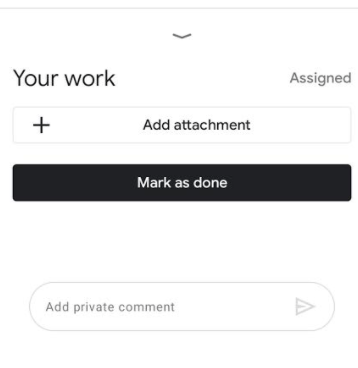
5. Now you can attach a photo of your child’s work from their book or copybook, their artwork, etc.
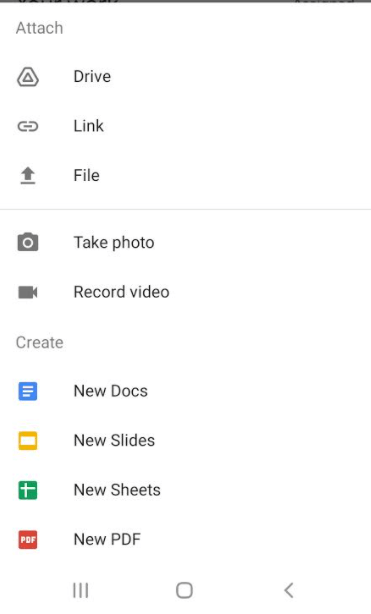
Please ensure the following when you are taking photos of your child’s work:
6. If your child’s teacher has asked for a recording of your child reading, you can upload in the same way but using the ‘Record Video’ tab. Please ensure that your child is not visible in the video – the camera should be focussed on the book that they are reading from.
7. Don’t forget to click on ‘Mark as Done’ once the assignment has been completed. The photo will now be send to your child’s teacher via Google Classroom.
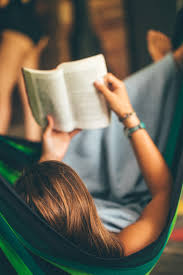
Independent reading refers to reading for pleasure in children’s free time using books of their own choosing. It does not involve reading homework that may be set for children or reading from the school textbooks. Reading is a life-long skill and various studies show that proficient readers transfer these skills into other areas. It also helps children cope more easily with the transition into secondary school where text is significantly more challenging. Through reading a variety of books, children will not only improve their literacy skills but will also learn new information, develop empathy, improve memory and engage in an activity proven to have a positive impact on mental health. In an age where children have constant access to technology and lead busy lives both inside and outside of school, it is important that children are given opportunities to ‘switch off’ and experience the joy and pleasure in reading a good book.
There are many ways in which you, as parents, can support the school and your child in becoming an independent reader:
Remember: If your child has ongoing difficulties with their homework, make an appointment to discuss this with the class teacher.

At Drimoleague Senior National School, we encourage all the children to bring a healthy lunch and snack to school. We believe that school is one place where our pupils should be eating healthily. Research suggests that a healthy diet during the day helps children to concentrate and focus on their learning.
From time to time,we take part in the Food Dudes Programme. Under this programme, children receive a portion of fresh fruit and vegetables every day to try and it encourages healthy eating habits amongst children.
Here is a list of recommended items to include in your child’s lunchbox:
Drinks:
Water/ Milk
Snacks:
Fruit, cheese, crackers
Lunch:
Ham, beef, lamb, chicken, egg, fish, salad, vegetables, salad, a small portion of bread, pasta, rice or quinoa.
 Drimoleague National School